NEWS
Keep up to date with the latest property trends with KNA
21 September 2026
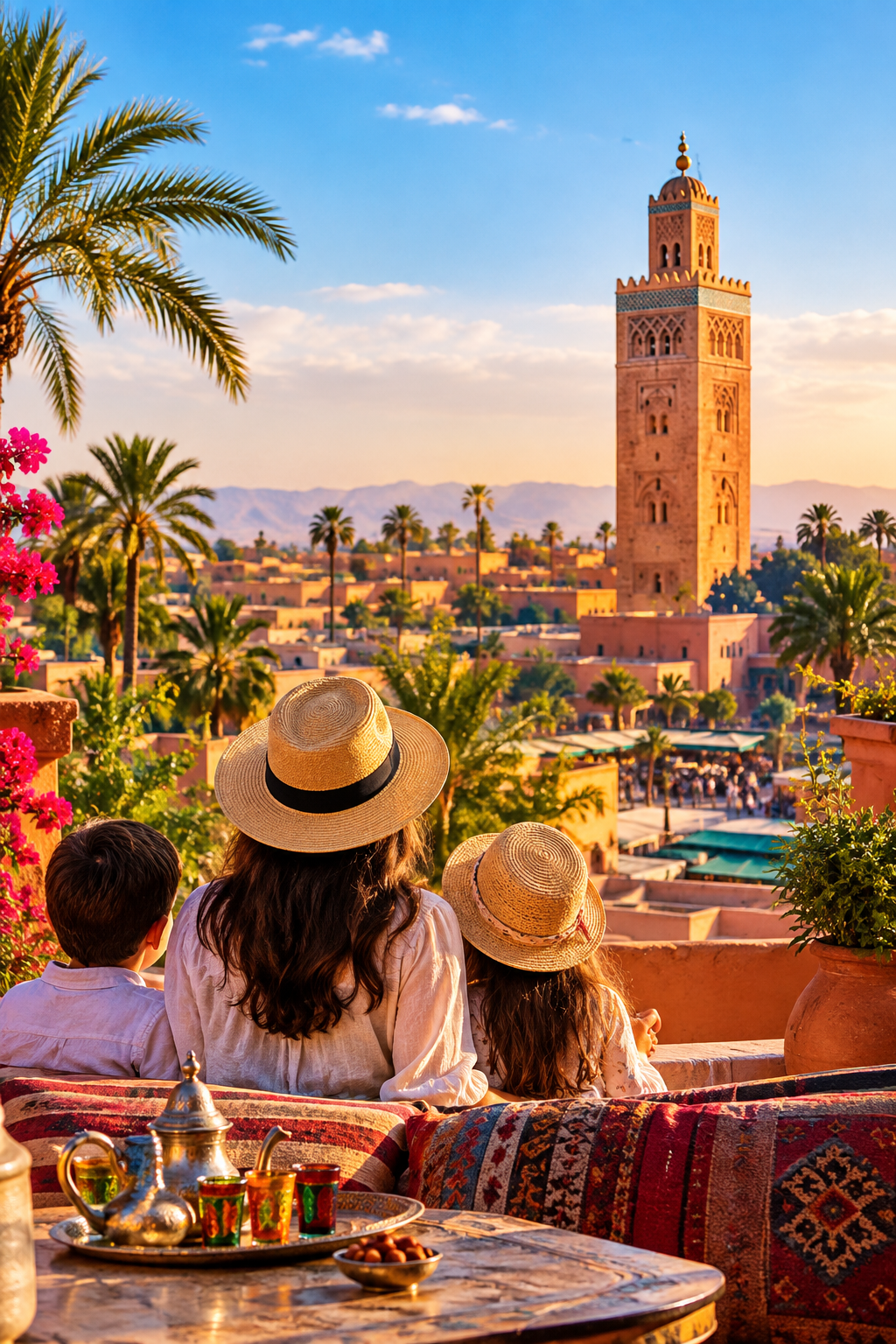
Planning your All Saints' Day holiday in Marrakech 2026? Between bustling souks, charming riads, and still-mild weather, the Red City captivates travelers of all ages. This guide brings together dates, weather, prices, and top recommendations for a successful trip.
Why Choose Marrakech for Your All Saints' Day Holiday
Marrakech blends tradition and modernity like few other destinations. The narrow lanes of the medina sit alongside avenues lined with contemporary hotels and trendy rooftop bars.
The imperial city is less than three hours' flight from most French airports. This short journey makes it an accessible getaway, even for a long weekend during the All Saints' break.
The climate stays mild in late October, with sunny days and cooler evenings. It's one of the best times of year to visit Marrakech without enduring summer heat.
Marrakech also remains an affordable destination compared to other tourist capitals. Direct flights from several French cities and the low cost of living locally make it easy to plan a trip suited to any budget.
This accessibility explains why so many families and couples choose Marrakech every year for their All Saints' holiday. The destination combines a guaranteed change of scenery with simple logistics.
When to Go: All Saints' Day Holiday Dates 2026
School holiday dates vary depending on French academic zones. Check your zone before booking your trip to Marrakech for All Saints' Day.
Zone
Holiday Start
Holiday End
Zone A
October 17, 2026
November 2, 2026
Zone B
October 17, 2026
November 2, 2026
Zone C
October 17, 2026
November 2, 2026
Official dates may vary slightly; check the French Ministry of Education's school calendar before finalizing your booking.
Traveling just before or just after the peak of the All Saints' holidays often means paying less for your trip to Marrakech. Prices rise noticeably between October 17 and 29.
Weather in Marrakech in October and November 2026
Moroccan weather stays pleasant in autumn. Daytime temperatures range between 22 and 29 degrees Celsius, with cooler nights around 15 degrees.
Month
Average Temperature
Rainy Days
October
22°C / 29°C
2 to 3 days
November
17°C / 23°C
3 days
Pack lightweight clothing for the day and a jacket for the evening. A light scarf is also useful for visiting mosques or protecting yourself from the sun in the gardens.
What to See and Do During Your Stay in Marrakech
Jemaa el-Fna Square and the Medina
Listed as a UNESCO World Heritage Site, Marrakech's medina is best explored on foot. Jemaa el-Fna Square comes alive every evening with storytellers, musicians, and orange juice vendors.
Get intentionally lost in the maze of narrow streets to discover artisan workshops far from the main tourist routes. This is often where the best travel memories are made.
Must-See Gardens and Monuments
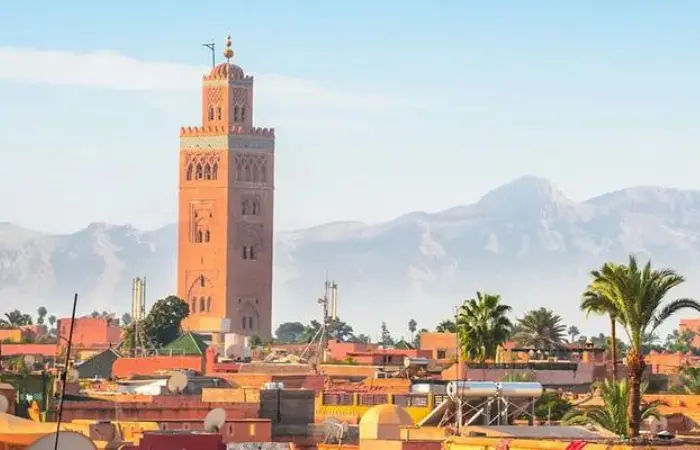
The Majorelle Garden, the Koutoubia Mosque, the Bahia Palace, and the Menara Gardens are among the most popular sights. Each offers a different facet of the city's history.
The Secret Garden, less well-known, is also worth a visit for its coolness and carefully restored Andalusian architecture.
Negotiating Well in the Souks
Bargaining is an integral part of Moroccan souk culture. Always start by offering about a third of the asking price, then adjust gradually.
Stay smiling and polite: bargaining is as much a social game as a commercial negotiation. Take your time and compare several stalls before buying.
Day Trips from Marrakech
The Ourika Valley, the Ouzoud Waterfalls, and the coastal town of Essaouira are popular excursions. Allow a full day for each of these outings.
The Agafay Desert appeals to those who love sunsets and dinner shows under the stars, less than an hour from the city center.
Where to Stay for Your All Saints' Holiday in Marrakech
The choice of neighborhood directly influences the atmosphere of your stay in Marrakech. Three areas stand out clearly depending on the type of experience you're after, and our selection of rentals in Marrakech covers each of them.
A Riad in the Medina for Authenticity
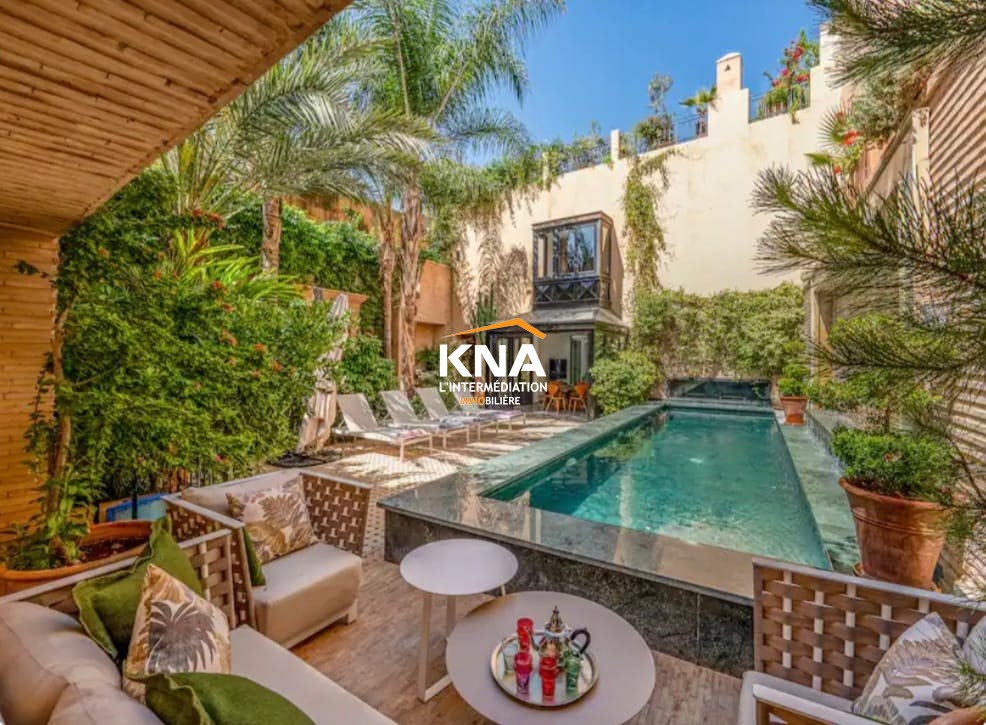
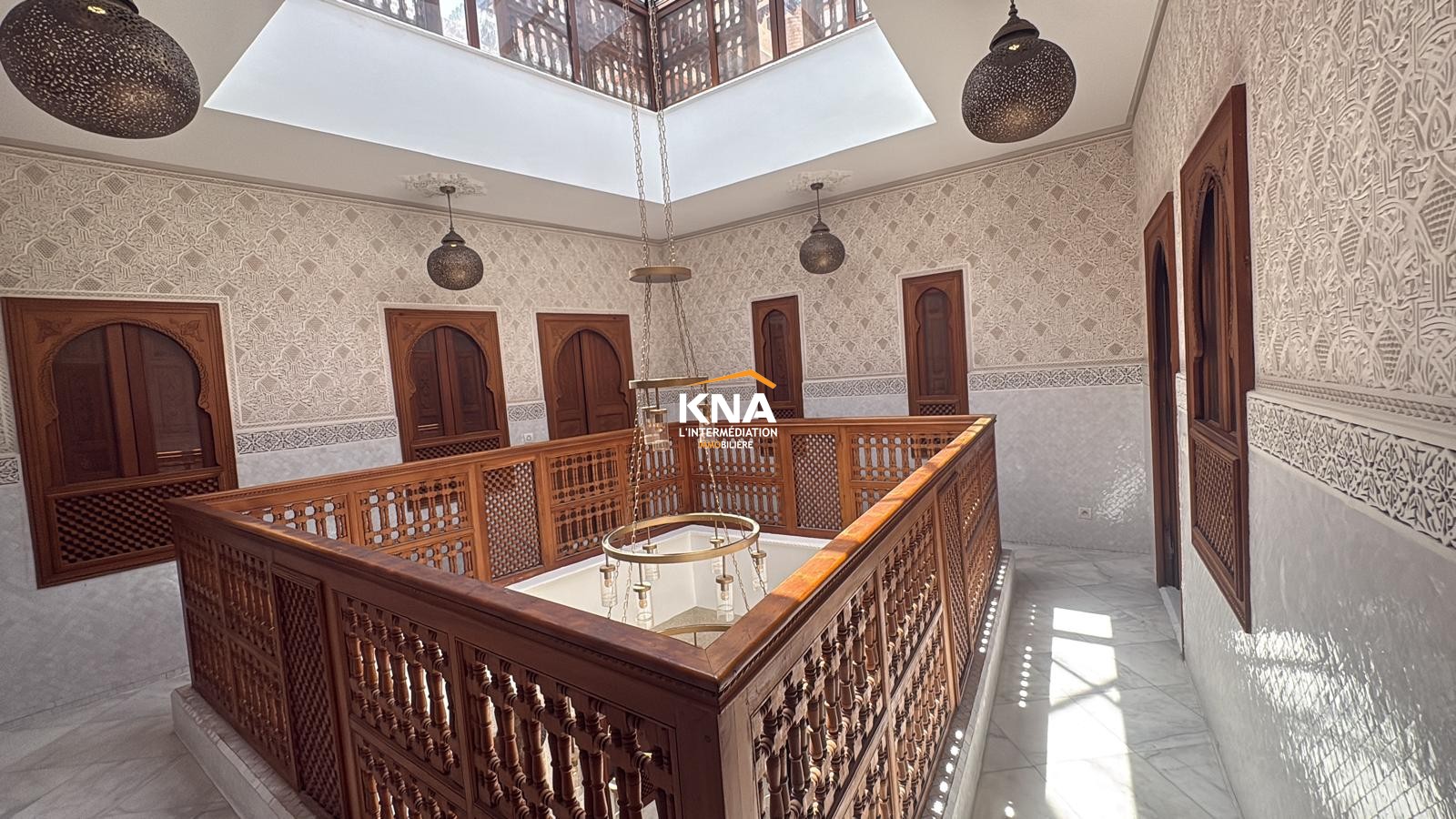
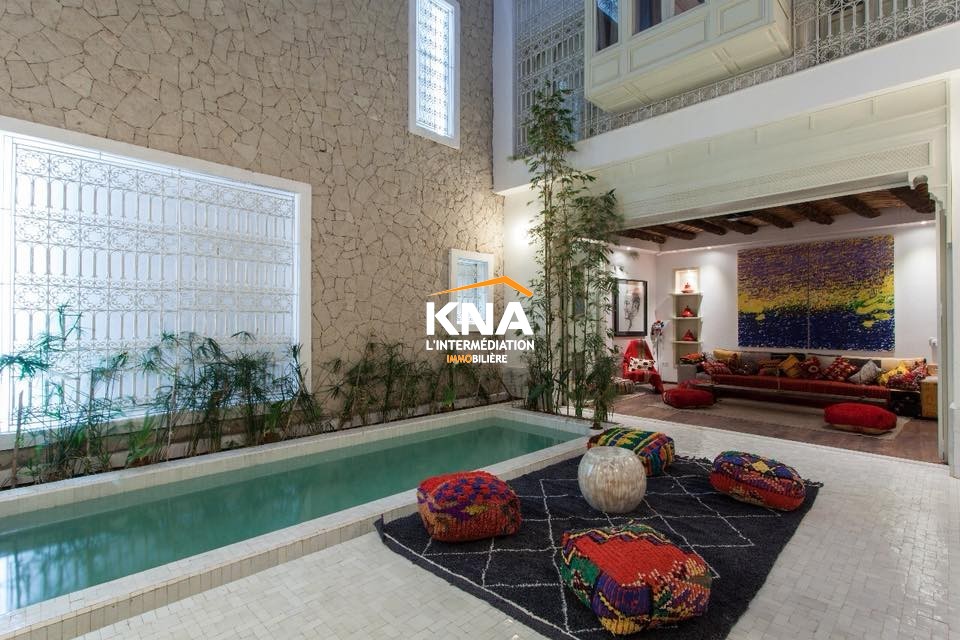
Staying in a rented riad in the medina offers an immersive experience at the heart of the old city. Flower-filled courtyards, terraces, and handcrafted decor characterize this type of accommodation.
A Villa with Pool in the Palmeraie for Space and Comfort
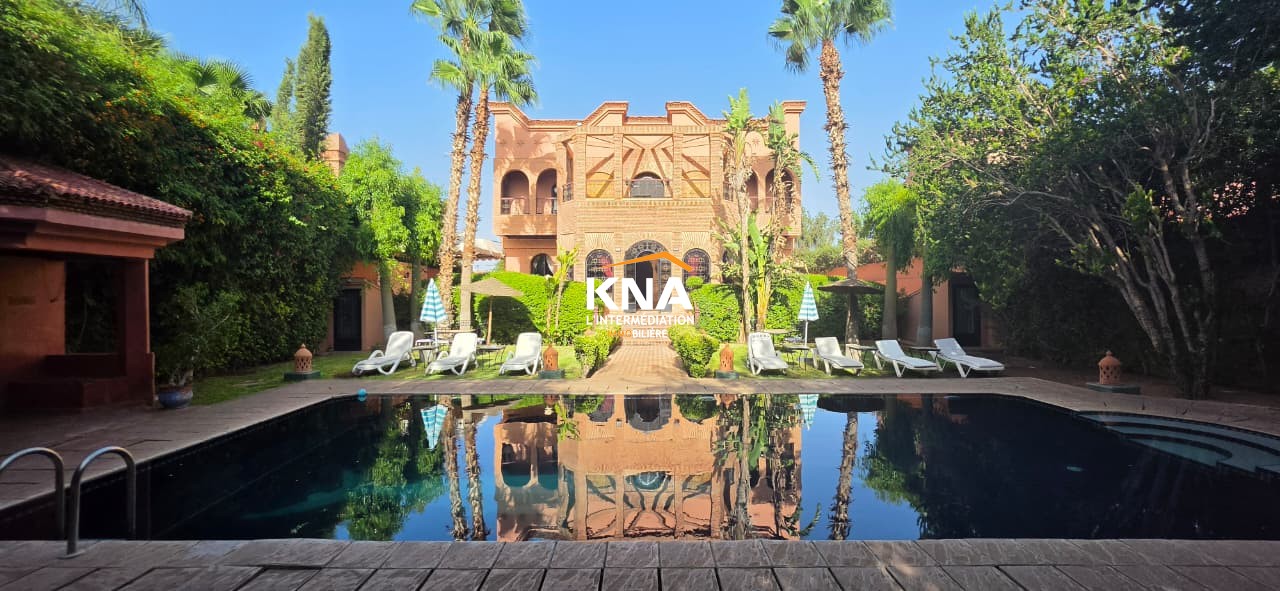
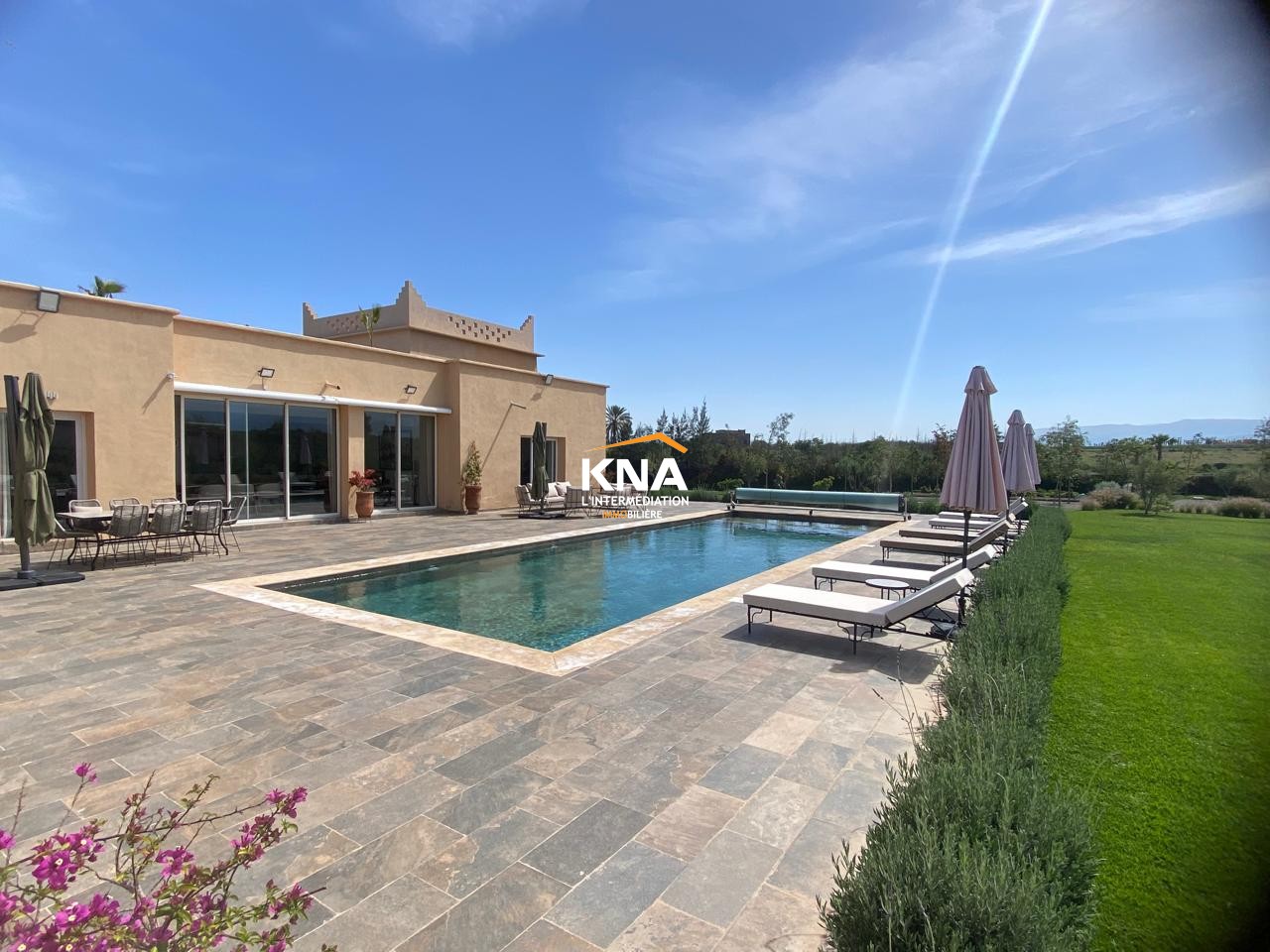
The Palmeraie area features numerous villas for rent with private pools, a spacious alternative to hotel-clubs. This area is particularly suited to families on their All Saints' holiday.
Gueliz and Hivernage for Modern Living
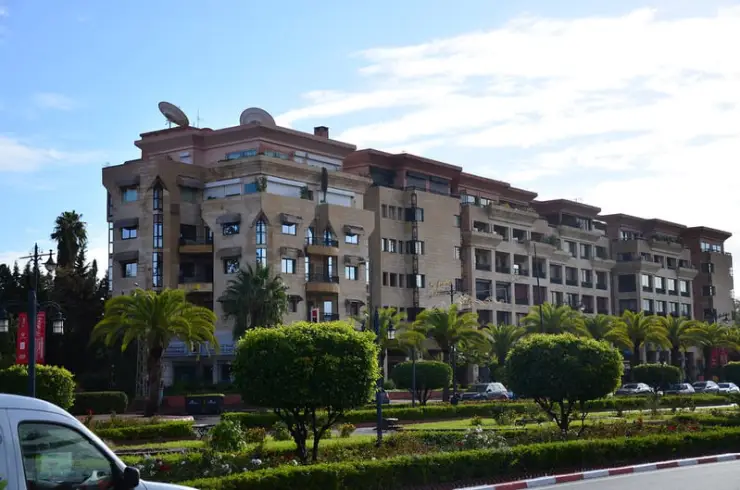
These newer neighborhoods offer restaurants, shops, and nightlife. Renting an apartment in the Hivernage district combines urban comfort with proximity to the medina.
Budget: What to Expect for a Trip to Marrakech During All Saints' Day
The cost of a trip to Marrakech for All Saints' Day mainly depends on the type of package chosen and the booking date. Generally expect between 150 and 250 euros per person for a short stay with breakfast included.
All-inclusive club packages come at higher rates, often between 400 and 600 euros per person for a week. The price then includes flights, transfers, and meals.
Booking several months in advance remains the best strategy for getting a good rate. Prices rise significantly as the All Saints' holidays approach, a period of high demand.
Many agencies offer payment in installments, interest-free up to 30 days before departure. This option makes managing the family budget easier.
Also consider travel insurance, which covers cancellation, repatriation, and medical expenses abroad. Check coverage limits before confirming your booking.
How to Book Your Trip at the Best Price
Early booking deals typically appear several months before departure. Booking as soon as sales open often saves up to 20% on the total trip cost.
Compare several package types before booking: flight only, flight plus hotel, or all-inclusive stay. Each option suits a different type of traveler depending on budget and preferences.
Certain periods outside school holidays, just before or just after All Saints' Day, offer noticeably lower rates. A few days of flexibility on departure dates can make a real difference to the final price.
Don't forget to check cancellation and modification terms before finalizing your booking. A reduced deposit or installment payment often makes budgeting easier.
Marrakech with Family: Activities for All Ages
Many hotel-clubs offer a mini-club and sometimes a baby-club for the youngest travelers. Children enjoy supervised activities while parents relax.
A horse-drawn carriage ride around the ramparts or a pottery-making lesson appeals to families. The city remains accessible and reassuring for a first trip with young children.
Short excursions, such as a day trip to the palm grove on camelback, are especially popular with kids. Be sure to bring plenty of sunscreen and water for these outdoor outings.
Many riads and hotels offer connecting rooms or family suites. Compare the amenities available before booking your accommodation for the All Saints' holiday.
Moroccan Cuisine: Flavors to Discover
Tagine, Friday couscous, and pastilla are among the must-try dishes of Moroccan cuisine. Every neighborhood in Marrakech has its own well-known spots for these traditional dishes.
Don't leave without trying the almond and honey pastries, paired with a well-sweetened mint tea. It's as much a social ritual as a culinary one.
Restaurants in the medina often offer fixed-price tasting menus to sample several specialties in one evening. Rooftop restaurants also offer stunning views over the rooftops and the Atlas Mountains.
Practical Information for Your Trip
The local currency, the Moroccan dirham, cannot be exchanged abroad. Plan to withdraw or exchange money once you arrive, either at the airport or in the city.
French citizens don't need a visa for a tourist stay of less than 90 days. A passport valid for at least six months after the return date is sufficient.
Alcohol can be consumed in bars, restaurants, and hotels, but is prohibited in public spaces. Respecting local customs ensures a peaceful and pleasant stay.
Lightweight, modest clothing is best for visiting religious sites and local neighborhoods. Always keep a copy of your documents and your travel insurance contact numbers handy.
Drink only bottled water and be wary of ice cubes in drinks served outside hotels. A basic first-aid kit can prevent many inconveniences during your trip.
Taxi networks and ride-hailing apps work well in Marrakech. Always negotiate the fare before getting in if the meter isn't used.
Want to Extend the Experience: Investing in Marrakech
Many travelers fall so much in love with Marrakech that they consider returning for longer stays, or even buying a place of their own. The local real estate market remains dynamic and accessible to foreign buyers.
If this idea appeals to you, our article on real estate investment in Marrakech details market opportunities, and our villa purchase in Marrakech page presents a selection of available properties.
FAQ: Your Questions About All Saints' Day Holidays in Marrakech
What are the dates of the 2026 All Saints' Day holidays?
All three French school zones share broadly the same period, from October 17 to November 2, 2026. Check your academy's official calendar to be sure.
What's the weather like in Marrakech in October and November?
Temperatures range between 17 and 29 degrees Celsius depending on the month. Rainfall remains rare, with only two to three rainy days on average.
What budget should I plan for a trip to Marrakech during All Saints' Day?
Expect between 150 and 250 euros per person for a short stay, and up to 600 euros for a week in an all-inclusive package.
Is Marrakech suitable for families with children?
Yes, many hotels offer mini-clubs and family rooms. The city remains accessible and reassuring for a first family trip.
Do I need a visa to travel to Morocco from France?
No, a valid passport is enough for a tourist stay of less than 90 days. No visa application is required for French citizens.
What currency should I use locally?
The Moroccan dirham, which cannot be exchanged abroad. Plan to exchange money once you arrive in Marrakech.
Is it better to stay in the medina or in the Palmeraie?
The medina is appealing for its authenticity and charming riads. The Palmeraie is better suited to families looking for comfort and a pool.
How many days should I plan to explore Marrakech?
Three to four days are enough to see the essentials of the city. A week allows time to add excursions to the surrounding area.
Can you drink alcohol in Marrakech?
Yes, in bars, restaurants, and hotels. Consumption remains prohibited in public spaces, in line with local customs.
In Summary: Making the Most of Your All Saints' Day Holiday in Marrakech 2026
Marrakech remains an ideal destination for All Saints' Day thanks to its mild climate, affordable prices, and rich culture. Book early to take advantage of the best rates for your trip.
Between the medina, gardens, and excursions into the Atlas Mountains, every family can find its own pace. All that's left is to choose the package that matches your travel wishes.
21 September 2026
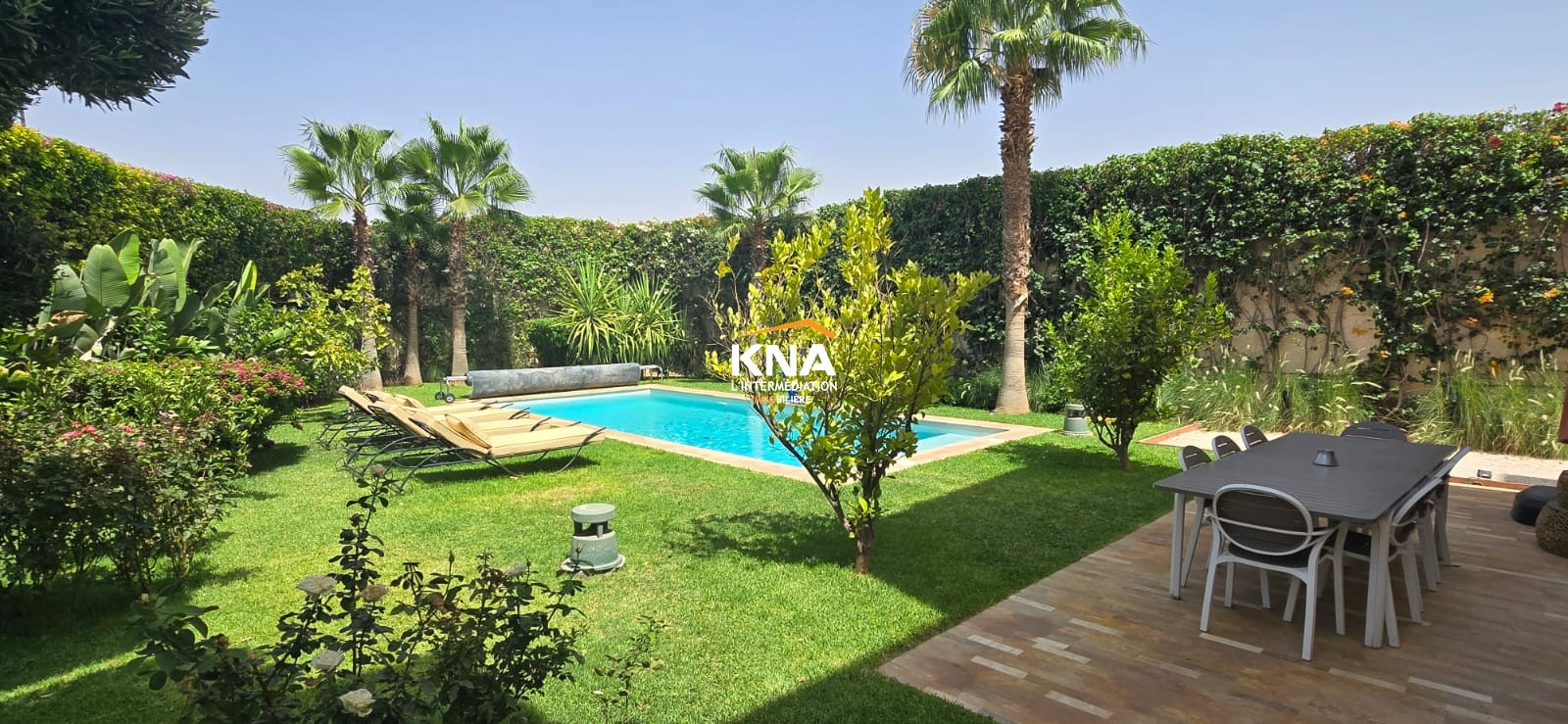
A heated pool in Marrakech villas turns a chilly winter stay into a year-round swimming experience. It matters most when night temperatures drop sharply after sunset. Here's how seasonality affects comfort, and what to check before booking.
Why Heated Pool Villas Matter in Marrakech
Marrakech has a semi-arid climate with wide daily temperature swings. Days stay mild even in winter, but nights often fall below 10°C between December and February. Without heating, most pools become too cold to enjoy.
Marrakech's Climate: Warm Days, Cool Nights
The daily temperature range frequently exceeds 15°C. Sunshine warms the air quickly, but pool water stays cold without a proper heating system.
Swimming Year-Round, Even in Winter
Heating keeps the water comfortable from November through March. This makes off-season stays more appealing, often at lower rates with fewer crowds.
A Priority for Families and Groups
Families with children and groups of friends value this comfort most. It guarantees a poolside activity regardless of the day's weather.
Heated Pool Villas in Marrakech: When Are They Worth It?
Autumn and Winter (November to March): Heating Becomes Essential
Without heating, water temperature drops below 18°C in winter, too cold for most swimmers. Heating maintains water at 26-28°C, whatever the season.
Spring and Summer: A Nice Bonus, Not a Must
From June to August, water naturally reaches 24 to 28°C. Heating still helps in the evening, when air temperature drops quickly after sunset.
Average Monthly Temperatures
Copier le tableau
Month
Air (day)
Unheated pool
Heated pool
December-February
18°C
14-16°C
26-28°C
March-May
24°C
19-22°C
27°C
June-August
35°C
25-28°C
28°C
September-November
27°C
20-23°C
27°C
How Pool Heating Works in a Marrakech Villa
Common Heating Systems
Heat pumps remain the most common solution in Marrakech, efficient and cost-effective. Solar heating, suited to the region's strong sunshine, often complements the main system.
Energy Costs and Environmental Impact
A heat pump uses less energy than a standard electric heater. Some villas combine solar panels and heat pumps to reduce running costs.
Maintenance and Safety of a Heated Pool
Regular maintenance prevents limescale buildup caused by heat. On-site staff usually handle this daily upkeep during your stay.
What to Check Before Booking a Heated Pool Villa
Confirm the Pool Is Actually Heated
Some listings mention "pool" without specifying heating. Always ask for written confirmation before booking, especially in low season.
Privacy and No Overlook from Neighbors
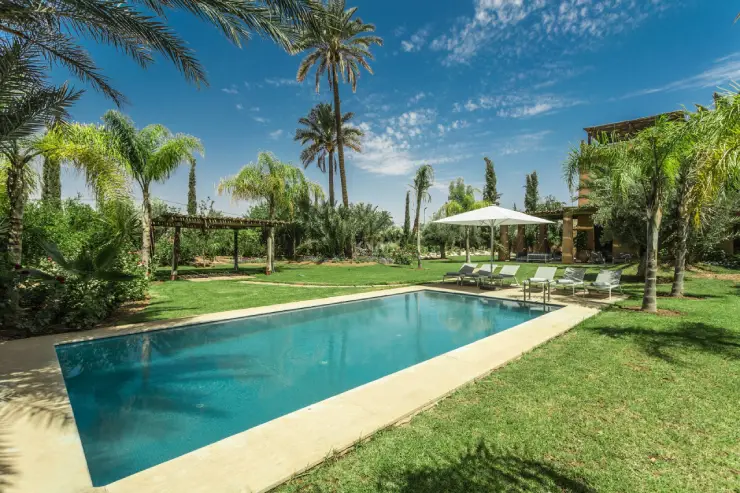
A pool with full privacy guarantees a peaceful, exclusive experience. Check outdoor photos and the garden layout around the pool.
Pool Size for Your Group
An 8x4-meter pool suits a group of 6 to 8 people comfortably. Larger family villas sometimes offer two pools, including one for children.
Indoor vs. Outdoor Heated Pool
An indoor heated pool offers maximum comfort in winter, sheltered from wind. Outdoor heated pools are more common and benefit from Moroccan sunshine.
Extra Features: Hammam, Spa, Jacuzzi, Pool House
A hammam or jacuzzi extends the wellness experience around the pool. A pool house often serves as a shaded dining spot facing the water.
Best Areas for Heated Pool Villas in Marrakech
Palmeraie: Peaceful and Lush
This area features many villas with pools in the Palmeraie, surrounded by century-old palm trees. The atmosphere stays calm, away from city noise.
Route de l'Ourika and Route d'Amizmiz: Atlas Mountain Views
These roads offer villas with mountain views, like those along the Ourika road. The natural setting enhances a heated pool experience in winter.
Hivernage and Guéliz: Close to the City Center
For a mix of comfort and quick access to restaurants, villas in Hivernage and Guéliz are ideal. They suit short, dynamic stays.
Amelkis and Al Maaden: Golf and Prestige
These residential areas attract golf lovers and those seeking tranquility. Villas here are often newly built, with pools and high-end amenities.
Medina: Authentic Charm in a Riad
For a more traditional experience, riads in the Medina sometimes offer heated pools within a historic setting.
Marrakech Villas with Private Pool: What to Check Before Booking
Family Stays with Children
Families prioritize a safe pool, shallow in some areas, with a fenced garden. Heating lets children swim even during winter school holidays.
Romantic Getaways or Honeymoons
Couples look mainly for privacy and a pool with no overlook. Dinner by heated water under the stars remains a highlight of the stay.
Group Stays with Friends
Large heated pool villas suit bachelorette parties or birthday celebrations. Make sure there are enough bedrooms and bathrooms for everyone's comfort.
Business Retreats or Events
Some villas offer outdoor spaces suited for informal meetings. The pool then becomes a relaxing spot between work sessions.
Luxury Pool Villas in Marrakech: Best Fits for Families and Groups
Family-Friendly Luxury Villas
Look for villas combining a heated pool, a fenced garden, and a well-equipped kitchen. Staff on-site adds extra peace of mind for parents.
Villas Designed for Group Celebrations
Larger properties offer outdoor dining areas and poolside service for special occasions. These setups work well for birthdays or family reunions.
Resort-Style Amenities Without the Crowds
Some luxury villas replicate resort comfort, sun decks, poolside bar, spacious terraces, while keeping full privacy. This combination appeals to groups seeking both comfort and exclusivity.
Budget: What Does a Heated Pool Villa Cost in Marrakech?
Price Ranges by Season
Expect between €300 and €800 per night for a quality villa with a heated pool. Larger luxury properties can exceed €2,000 per night during peak season.
Factors That Affect Pricing
Villa size, neighborhood, and service level strongly influence the price. A villa with household staff and a private chef naturally costs more.
Additional Fees to Expect
Pool heating sometimes comes with an extra charge, especially in winter. Also ask about cleaning fees and linen service.
Services Worth Prioritizing
Household Staff and Security
An on-site caretaker reassures guests and helps with daily pool upkeep. They also oversee the property's overall security.
Concierge Service and Private Chef
A concierge arranges excursions, transfers, and personalized meals. This turns the villa into a true turnkey experience.
Pool Safety
Check for a fence or pool alarm, especially with young children. This information should be clearly stated in the listing or confirmed with the owner.
Safety and Regulations for Heated Pools in Vacation Rentals
Safety Standards to Verify Before Booking
Ask whether the pool has a compliant safety system (fence, alarm). This precaution avoids unpleasant surprises on arrival.
Precautions with Young Children
Never leave a child unsupervised near the pool, even if heated and secured. Consider arm floats or constant supervision.
Insurance and Owner Liability
Check the insurance terms included in the rental. Some contracts exclude pool-related accidents without prior notice.
How to Book a Heated Pool Villa in Marrakech
Key Questions to Ask Before Booking
Confirm water temperature, privacy level, and heating schedule. Don't hesitate to request recent photos of the pool.
Check Guest Reviews Mentioning the Heated Pool
Reviews often reveal the real quality of pool heating. Look for comments explicitly mentioning "heated pool" for more reliable insight.
Book Early for Peak Season
Reserve at least two months ahead for holidays or school breaks. The best heated pool villas get booked quickly.
FAQ – Heated Pool Villas Marrakech
Is pool heating included in the rental price?
It depends on the owner. Some include it, others charge a daily supplement for heating.
What's the average temperature of a heated pool in winter?
Expect between 26°C and 28°C, a comfortable level for year-round swimming.
Can an outdoor pool be heated in the middle of Moroccan winter?
Yes, thanks to a heat pump or solar heating system suited to the local climate.
What's the best time to enjoy a heated pool in Marrakech?
November to March benefits most from heating, with cool nights and sunny days.
Are heated pools safe for children?
It varies by villa. Always check for a fence or alarm system before booking.
What's the difference between a heated pool and an indoor heated pool?
An indoor heated pool stays sheltered from wind and cold, ideal in winter. An outdoor heated pool benefits more from Moroccan sunshine.
Conclusion
Choosing a heated pool villa in Marrakech guarantees comfort no matter the season of your stay. Always verify the heating system, safety features, and included services before booking. Contact us to receive a tailored selection of villas matching your needs.
03 August 2026
Luxury Pool Villas Marrakech: The Definitive Expert Guide for Families and Groups
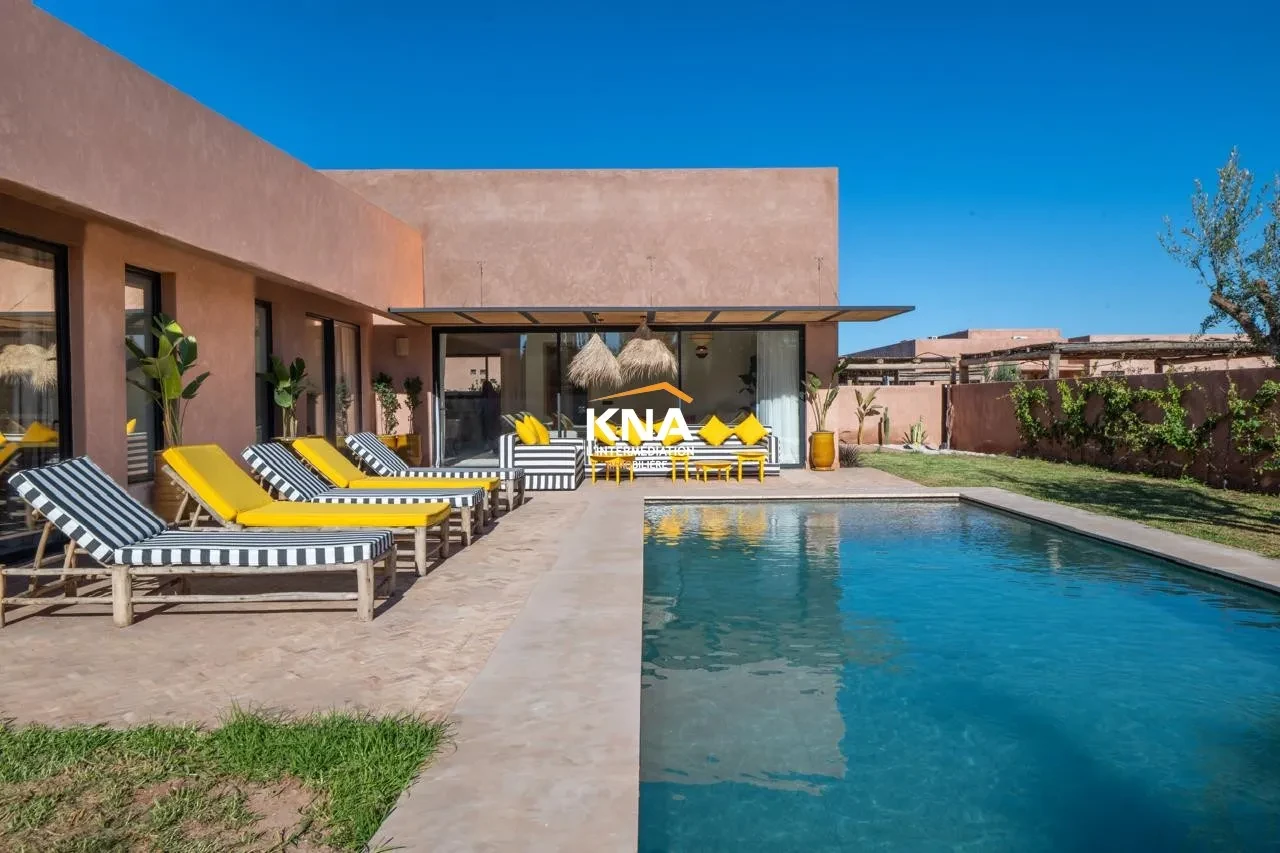
Booking luxury pool villas Marrakech is the gold standard for sophisticated travelers who prioritize total privacy, bespoke hospitality, and high-end security for their families or groups. Unlike the standardized luxury of international hotel chains, a luxury pool villas Marrakech offers an immersive experience into the Moroccan "Art de Vivre." Whether you are organizing a multi-generational family reunion, a private celebration, or an executive retreat, these estates provide the space and service necessary to create a seamless stay. At Agence KNA, we believe that a true luxury pool villas Marrakech is not just a property; it is a meticulously managed ecosystem where architecture, sun orientation, and professional house staff converge to offer you an unparalleled private oasis in the heart of the Red City.
H2: Why a Luxury Villa with Private Pool in Marrakech is the Ultimate Choice?
When you choose a luxury villa with private pool in Marrakech, you are choosing freedom over formality. For large groups and families, the traditional hotel model often feels fragmented. In contrast, a villa centralizes your experience.
Total Privacy vs. Resort Crowds
The primary motivation for seeking luxury pool villas Marrakech is the desire for seclusion. In a high-end villa, the pool is yours and yours alone. There are no dawn races to reserve sunbeds and no shared lounges. For families, this means children can play freely, and for groups, it means private conversations stay private. This "secluded luxury" is what defines the most prestigious properties in our luxury collection.
Bespoke Service: The Agence KNA Standard
Expertise in the Marrakech market reveals that the "hardware" (the villa) is only half of the equation. The "software" (the service) is what makes a stay memorable. A premium luxury pool villas Marrakech comes with a dedicated house staff, usually including a butler, a chef, and housekeeping. At Agence KNA, we emphasize that true luxury lies in the "discreet presence", staff who are invisible when you want intimacy but present the moment you need a fresh mint tea or a poolside cocktail.
H2: Selecting the Right Location: Beyond the Tourist Traps
Marrakech is a mosaic of micro-climates and atmospheres. Where you book your luxury pool villas Marrakech will dictate the soul of your holiday.
The Palmeraie: Timeless Grandeur
If you dream of thousands of palm trees and vast, rose-filled gardens, the Palmeraie is your destination. This area hosts some of the most iconic luxury pool villas Marrakech. Properties here, such as those on the Bab Atlas road, offer massive acreage, perfect for groups who want a "resort-style villa" feel without the public.
Amelkis and Royal Palm: Gated Security and Golf
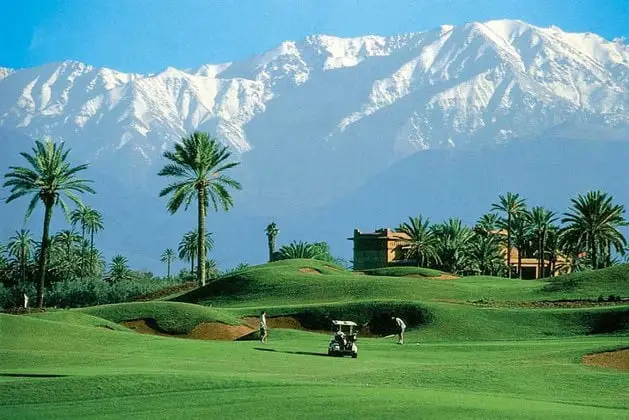
For groups that value security and modern amenities, the golf resorts are unrivaled. Booking a villa in Amelkis provides a gated community environment with 24/7 security. These luxury pool villas Marrakech are often architectural masterpieces, blending contemporary lines with traditional Moroccan materials like tadelakt and zellige.
The "Deep" Ourika: For Those Seeking Silence
For travelers who find the city center too frantic, the Route de l’Ourika offers a cooler climate and breathtaking views of the Atlas Mountains. A luxury pool villas Marrakech in this area often feels more "Beldi-chic", a rustic yet refined elegance that suits families looking for nature-based activities and pure serenity.
H2: Technical Expertise: What Most Agencies Forget to Tell You
At Agence KNA, our expertise goes beyond the aesthetic. We analyze the technical specs that ensure your luxury pool villas Marrakech functions as a true sanctuary.
The Solar Orientation Factor
This is the most common mistake made by non-experts. Because Marrakech can have cool evenings in the winter, the orientation of your pool is critical. A luxury pool villas Marrakech with a North-facing pool will stay in the shade most of the day, making the water uncomfortably cold and the terrace gloomy. We always recommend properties with a South or South-West orientation to maximize the Moroccan sun and ensure your poolside dining experience is bathed in golden light until sunset.
Pool Heating and Technical Reliability
A "heated pool" is a must from October to May. However, not all heating systems are equal. An expert-level luxury pool villas Marrakech should be equipped with a high-performance heat pump (PAC) and, ideally, a thermal cover to retain heat overnight. Without a cover, the desert night air will strip the heat from the water, regardless of how long the pump runs.
H2: Planning Private Celebrations and Family Reunions
Marrakech has become a global hub for private events. If you are renting luxury pool villas Marrakech for a birthday, anniversary, or a small wedding, the layout of the property is paramount.
The Importance of Outdoor Dining and Sun Decks
For a successful group event, you need a villa designed for "alfresco" living. Look for luxury pool villas Marrakech that feature expansive terraces and professional outdoor kitchens. A property with a large sun deck allows your group to transition seamlessly from a day of sun-soaking to an evening of celebration.
Staffing for Large Groups
A group of 12 to 15 guests requires more than just a cook. At Agence KNA, we advise our clients to verify the staff-to-guest ratio. A high-end luxury pool villas Marrakech should provide enough personnel to ensure that service never feels rushed. This includes a private chef capable of producing complex Moroccan cuisine and a villa manager to coordinate logistics like airport transfers and desert excursions.
H2: Essential Amenities for a High-End Marrakech Stay
When comparing luxury pool villas Marrakech, look for these specific amenities that elevate the experience from "good" to "extraordinary":
Private Hammams and Spas: No Moroccan stay is complete without a traditional scrub. Many of our premium villas include a private hammam and a dedicated treatment room.
Cinema Rooms and Games Hubs: Essential for families with teenagers or groups looking for evening entertainment within the villa.
High-Speed Fiber Optic: Even on holiday, connectivity is vital. We ensure our luxury pool villas Marrakech are equipped with the latest Wi-Fi technology.
H2: From Rental to Investment: The Agence KNA Perspective
Many of our clients begin as vacationers in luxury pool villas Marrakech and end as investors. The Marrakech real estate market offers a unique opportunity for "lifestyle investments."
The Lucrative Potential of a Luxury Villa
Buying a villa in Marrakech is a strategic move. The demand for luxury pool villas Marrakech is year-round, fueled by European travelers in winter and Middle Eastern travelers in summer. Properties with the "VNA" (Vocation Non Agricole) status are particularly prized by international buyers.
Strategic Locations for Value
If you are looking to move from renting to owning, consider the Route de Casablanca or the Targa district for long-term appreciation. For immediate rental yield, the Amelkis area remains the gold standard for luxury pool villas Marrakech.
H2: FAQ: Your Questions Answered by Agence KNA Professionals
What is the best time of year to book luxury pool villas Marrakech?
Marrakech is a 365-day destination. However, for a "summer stay" vibe, May, June, and September are ideal. If you seek "winter sun," January and February are beautiful, provided your villa has a heated pool.
Are the villas suitable for guests with reduced mobility?
Many modern luxury pool villas Marrakech are built on a single level, making them very accessible. However, always confirm the specific layout with our team before booking.
How does the food service work in a luxury villa?
Typically, you provide the "grocery kitty," and the chef handles the shopping and preparation. This allows you to enjoy five-star Moroccan gastronomy at local market prices, offering much better value than any hotel.
Can Agence KNA help with long-term rentals?
Absolutely. While many seek short stays, we also specialize in long-term villa rentals for those looking to relocate or spend a full season in the city.